SEARCH
Enter keywords, product name, or question
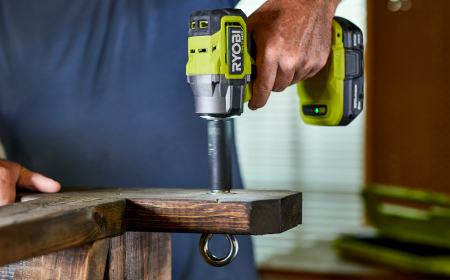
Cutting out can occur for several reasons, including issues with the bit, tool settings, power supply, or the application itself. Follow these checks:
Inspect Tool Settings
- Most impact wrenches have multiple modes or speeds. These affect the operating speed and may also cause the tool to cut out early to prevent overtightening.
- “A” mode (Auto-tight) will stop the wrench at a preset level to avoid overtightening and damaging the fastener.
Inspect Socket
- A worn or incorrect socket is a common cause of premature stopping. Regularly check sockets for signs of damage (cracks, wear, etc.) and replace if necessary.
- Always replace with the correct type for the fastener you are working on.
Inspect the Application
- Ensure the hole for the fastener is not obstructed, as this can cause the tool to stop or kick back.
- Check the socket’s rating and material capacity. It should be impact-rated for safe use.
Inspect Battery
- Check the battery charge level. Low charge can reduce power output and cause the tool to stop under load. Recharge or swap the battery if needed.
- Impact wrenches draw high power, so consider using a higher-capacity battery for best performance.
Inspect the Tool
- The tool may cut out due to overheating, often caused by excessive load or prolonged use beyond its capacity. Refer to the product manual or Ryobi website for specific capacity ratings.
- If the tool cuts out, remove it from the workpiece, check the battery level, and test under no load.
- If it runs, continue at a slower speed or with less force.
- If it does not run, remove the battery and allow both the tool and battery to cool for at least 30 minutes before retrying.
If the issue persists and the impact wrench is still within its warranty period, return it to Bunnings with your receipt or proof of purchase for a warranty assessment.
RIW18C, RIWH18X, RIW18X, R18IW-0.