SEARCH
Enter keywords, product name, or question
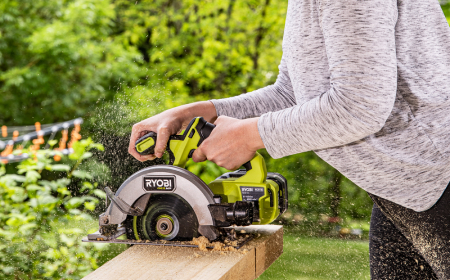
How to Use a Circular Saw Safely
Safety First
- Always wear eye protection, hearing protection, and gloves.
- Ensure the work area is clean, well-lit, and free from obstructions.
- Keep the power cord clear of the cutting path.
- Stay out of the line of the cut
- Position your body to either side of the blade, never directly behind it.
- Never keep off hand near the cutting material or blade, do not hold material close the cutting edge.
- Make sure all material is secured safety to a work surface before cutting.
- This reduces the risk of injury if kickback occurs.
- Avoid blade binding
- Do not twist the saw during the cut.
- Support large panels or long workpieces on both sides of the cut to prevent sagging.
- Use a rip fence or straight edge for accurate cuts.
- Do not apply excessive pressure
- Let the blade do the work. Forcing the saw can cause overheating, binding, and kickback.
- Set the correct cutting depth
- Adjust the depth so that only one full tooth of the blade is visible below the workpiece.
- This improves control, reduces strain on the motor and reduces the risk of kickback
- Start correctly
- Never start the saw with the blade in contact with the material.
- Allow the blade to reach full speed before beginning the cut.
- Finish safely
- After completing the cut, release the trigger and wait for the blade to stop completely before lifting the saw from the workpiece.
- Keep the cord or battery clear
- For corded models, route the cord away from the cutting area to prevent accidental damage.
- For cordless models, ensure the battery is secure and does not interfere with handling.
Final Tip
Regularly check the blade for sharpness and damage and always use the correct blade/tool for your application.
R18CS-0, RCS18X, RCS1500-G, R18CSP0, RCS18X1, RCS18C, RPLS18X, RCCS18